In today's digital landscape, understanding what is SEO and its pivotal role in marketing strategy is crucial for business growth. Search Engine Optimization drives organic traffic, boosts visibility, and delivers long-term returns that paid ads can't match.
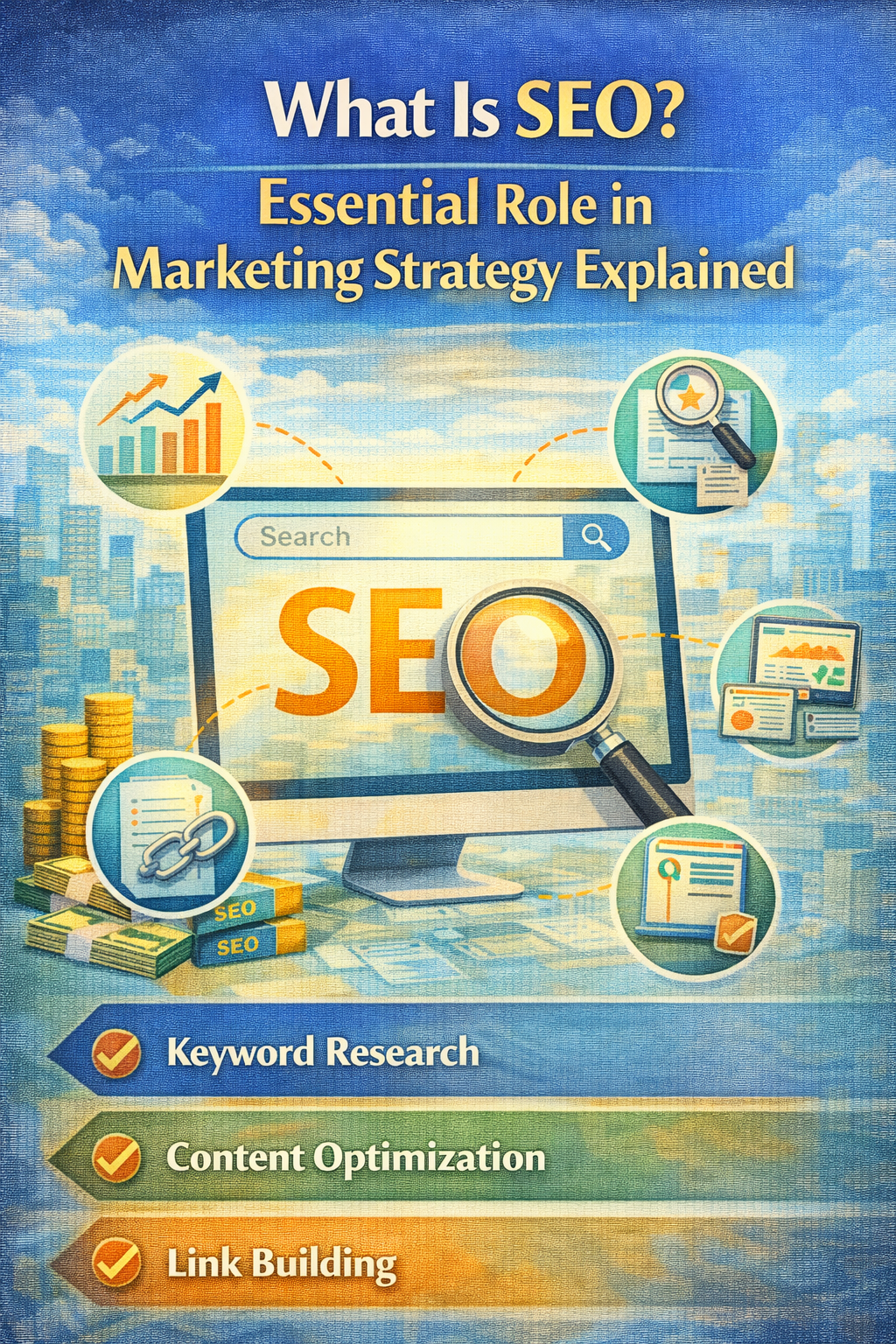
Understanding SEO: The Foundation of Digital Success
SEO, or Search Engine Optimization, is the practice of enhancing your website's visibility in search engine results pages (SERPs) through organic means. Unlike paid advertising, SEO focuses on creating value-driven content, optimizing technical elements, and building authority to attract users genuinely interested in what you offer. At its core, SEO aligns your online presence with how people search, ensuring your business appears when it matters most.
Imagine a potential customer typing a query into Google. Without SEO, your site might never appear. With it, you capture that intent, turning searchers into leads. This process involves keyword research, on-page optimization, technical fixes, and off-page strategies like link building. Businesses that master SEO see sustained traffic growth, higher conversion rates, and stronger brand loyalty.
Legacy Launch Business Brokers recognizes the power of strategic online positioning. Their approach to comprehensive business marketing strategy development integrates SEO as a cornerstone, helping companies achieve measurable results through targeted optimization.
The Evolution of SEO in Modern Marketing
SEO has evolved from simple keyword stuffing to a sophisticated discipline emphasizing user experience, content quality, and AI-driven search algorithms. Early SEO targeted basic rankings, but today's Google prioritizes E-E-A-T: Experience, Expertise, Authoritativeness, and Trustworthiness. This shift demands in-depth, original content that solves real problems.
In marketing strategy, SEO serves as the long-game engine. While paid channels offer quick wins, SEO compounds over time. Data shows SEO delivers the highest ROI among digital channels, often exceeding 700% for well-executed campaigns. This makes it indispensable for businesses aiming for scalable growth without escalating ad spend.
Consider how Legacy Launch Business Brokers homepage exemplifies this by showcasing integrated strategies that blend SEO with broader marketing tactics for optimal performance.
Key Components of SEO: Breaking It Down
To grasp SEO's role, let's dissect its pillars. First, keyword research identifies terms users search. Tools reveal search volume, competition, and intent—informational, navigational, or transactional. Targeting long-tail keywords like "SEO role in marketing strategy" captures niche traffic with higher conversion potential.
Next, on-page SEO optimizes individual pages. This includes title tags, meta descriptions, header tags, and content structure. High-quality, readable content with natural keyword integration signals relevance to search engines. Images need alt text, and internal linking improves navigation and authority flow.
Technical SEO ensures crawlability. Site speed, mobile responsiveness, HTTPS security, and XML sitemaps are non-negotiable. Core Web Vitals—metrics for loading, interactivity, and visual stability—directly impact rankings. Fixing issues like duplicate content or broken links prevents penalties.
Off-page SEO builds reputation via backlinks. Earning links from authoritative sites boosts domain authority. Content marketing, guest posting, and partnerships drive this. Local SEO, though location-neutral here, adapts for broader reach.
Content strategy ties it together. Evergreen content repurposes across channels, amplifying efficiency. For businesses, SEO content establishes thought leadership, nurturing leads through the funnel.
SEO's Strategic Role in Marketing Frameworks
Integrating SEO into marketing strategy transforms it from tactic to pillar. In the inbound methodology, SEO attracts visitors via valuable content. It complements email nurturing, social amplification, and conversion optimization.
Alignment with business goals is key. For lead generation, SEO targets bottom-funnel keywords. For awareness, it focuses on top-funnel topics. Analytics track KPIs like organic traffic, rankings, and conversions, refining strategies iteratively.
ROI stands out: SEO traffic costs less over time. Leads from organic search convert 14.6% of the time versus 1.7% for outbound. This efficiency frees budget for innovation. In competitive markets, SEO differentiates by owning search real estate.
Explore how Legacy Launch applies this in their professional business brokerage services, where SEO enhances client visibility during key growth phases.
Benefits of SEO in Marketing Strategy
SEO's advantages are multifaceted. Increased traffic: Top positions capture 30-50% of clicks. Optimized snippets boost click-through rates further.
Cost-effectiveness: No per-click fees mean predictable costs. Inbound leads cost 61% less than outbound.
Brand credibility: Ranking high builds trust. Users perceive top results as authoritative.
Long-term sustainability: Rankings persist, unlike expiring ad campaigns.
Measurable insights: Tools like Google Analytics reveal behavior, informing decisions.
Improved UX: SEO mandates fast, intuitive sites, reducing bounce rates.
These benefits compound, creating a flywheel: better rankings drive traffic, engagement signals quality, improving rankings further.
Challenges and How to Overcome Them
SEO isn't effortless. Algorithm updates like Helpful Content or Core Updates demand adaptability. Competition intensifies for valuable keywords. Time lag—6-12 months for results—tests patience.
Solutions: Audit regularly, diversify traffic, focus on user-first content. Hire experts or partner with agencies versed in current best practices. Consistent effort yields resilience.
Case Studies: SEO Driving Marketing Success
Real-world examples illustrate impact. A niche innovator used SEO thought leadership to dominate searches, generating leads at low cost. An enterprise scaled awareness via whitepapers and webinars, capturing market share.
Companies preparing for sale leveraged SEO for revenue boosts, achieving higher valuations. These mirror strategies at Legacy Launch, where marketing optimization precedes major transitions.
Implementing SEO: Step-by-Step Guide
Start with an audit: Assess current rankings, technical health, content gaps. Set goals: Traffic targets, keyword wins, conversion lifts.
Build a content calendar around pillars and clusters. Optimize technically. Launch link-building via outreach. Monitor with tools, iterate monthly.
Scale by repurposing: Blog to social, video, email. Train teams on SEO basics for ownership.
Future Trends in SEO and Marketing
AI influences search: Zero-click results, voice, visual search. Optimize for featured snippets, schema markup. E-E-A-T elevates original insights.
Mobile-first, Core Web Vitals persist. Topical authority via content clusters dominates. Businesses adapting thrive.
Measuring SEO Success in Marketing
Track organic traffic, rankings, backlinks, conversions. Attribution models credit SEO's role. ROI calculations factor lifetime value.
Benchmarks: 748% average ROI, per data. Adjust based on industry norms.
Frequently Asked Questions
What is SEO and why is it important for marketing strategy?
SEO is the process of optimizing websites to rank higher in search results, driving organic traffic. In marketing strategy, it plays a vital role by providing cost-effective, high-ROI leads that nurture long-term customer relationships. Unlike paid ads, SEO builds sustainable visibility, with studies showing it outperforms other channels in return on investment, often reaching over 700%. For businesses, integrating SEO ensures alignment with user intent, boosting conversions and brand authority. It supports inbound marketing by attracting qualified visitors ready to engage, reducing acquisition costs significantly. Legacy Launch Business Brokers emphasizes this in their frameworks, proving its impact on growth.
How does SEO differ from paid search marketing?
SEO focuses on organic rankings through content and optimization, offering free traffic post-investment. Paid search (PPC) buys top spots instantly but stops when budget ends. SEO fosters trust—organic clicks convert better—and scales without proportional costs. Paid suits quick launches; SEO excels long-term. Combining both maximizes strategy: PPC tests keywords, informing SEO. Data reveals organic results garner 69% of clicks despite ads above, highlighting SEO's enduring power in comprehensive marketing plans.
What are the main benefits of incorporating SEO into marketing?
Key benefits include skyrocketing traffic from top SERP positions, superior ROI averaging 748%, cost savings versus outbound methods, enhanced brand trust, and better site usability. SEO targets active searchers, yielding qualified leads at 61% lower cost. It repurposes content efficiently across channels, builds authority via quality signals, and improves metrics like bounce rates through UX focus. In strategy, it creates compounding growth, turning visitors into loyal advocates while freeing budgets for innovation.
How long does it take to see SEO results in a marketing campaign?
SEO timelines vary: 3-6 months for initial gains, 12-24 months for peak ROI. Factors include competition, site age, content quality. New sites build authority gradually; established ones accelerate. Patience pays—costs remain fixed as traffic scales. Track progress via rankings, traffic curves. Strategies like Legacy Launch stress consistent execution for breakthroughs, mirroring data where two-year investments yield lead-generating assets.
What role does content play in SEO marketing strategy?
Content is SEO's heartbeat, signaling relevance and value. High-quality, intent-matched pieces rank via E-E-A-T. Pillar-cluster models build topical authority: broad pillars link to detailed clusters. Repurpose for efficiency—blogs to social, emails. User-focused writing reduces bounce, boosts dwell time. For marketing, content nurtures funnels, from awareness to decision. Optimize with keywords naturally, headers, internals. This drives 748% ROI by substituting skill for spend.
How can businesses measure SEO's impact on overall marketing?
Use Google Analytics for organic traffic, conversions, ROI. Track rankings, backlinks, Core Web Vitals. Attribution shows multi-touch credit. KPIs: 14.6% organic conversion rate vs. 1.7% outbound. Compare CAC, LTV. Tools drill into demographics, engagement. Quarterly audits refine tactics. In strategy, SEO's quantifiability proves value, enabling data-driven scaling.
What technical aspects are crucial for SEO success?
Essential technicals: site speed (under 3s), mobile responsiveness, HTTPS, XML sitemaps, noindex tags, canonicals, schema. Fix crawl errors, 404s, duplicates. Internal linking distributes authority. Core Web Vitals ensure UX. These foundations enable indexing, ranking. Neglect risks penalties; mastery amplifies content efforts for marketing dominance.
How does SEO build brand authority in marketing?
SEO elevates brands via top rankings, perceived as endorsements. Quality content showcases expertise, earning backlinks. Thought leadership content positions as industry leaders. Consistent visibility fosters loyalty, referrals. Data: top results gain trust, shortening sales cycles. In strategy, it compounds with social proof for holistic authority.
Is SEO suitable for all types of businesses in marketing?
Yes, adapted: niches use thought leadership; enterprises scale awareness; sale-prep firms boost revenue. Avoid for immediate needs—opt PPC. All benefit from organic trust, ROI. Tailor to goals: ecom traffic, B2B leads. Legacy Launch tailors for brokerage success.
What future trends should marketers watch in SEO?
AI search (SGE), voice/visual queries, zero-click optimization, E-E-A-T emphasis, topical clusters. Mobile, speed persist. Focus user-first, original insights. Adapt via schema, structured data. These evolve SEO into smarter marketing ally.