Marketing Strategy vs Tactics: Key Differences Explained
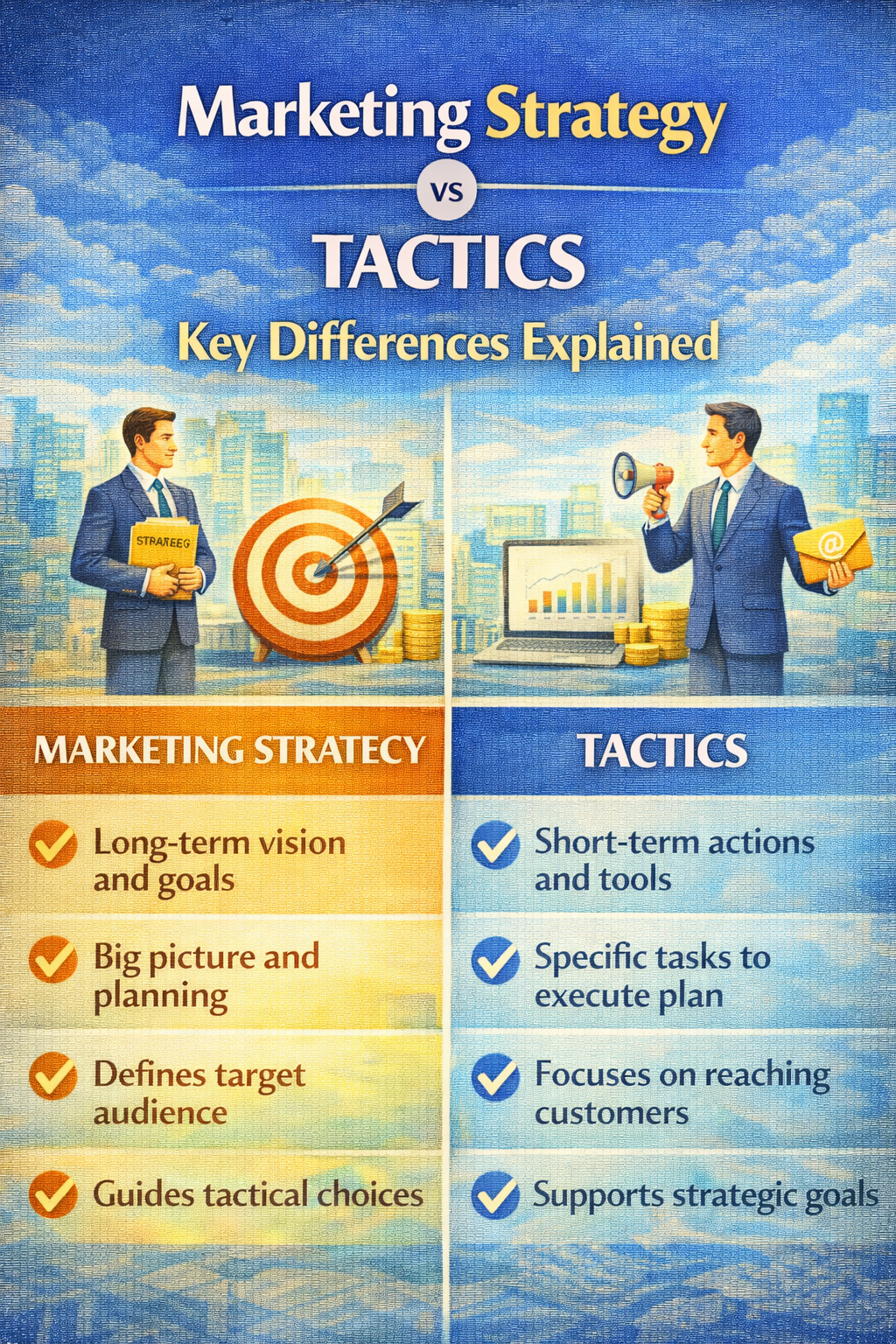
Imagine trying to win a war without a master plan or executing random battles without direction. That's the chaos many businesses face when they blur the lines between marketing strategy and marketing tactics. As a seasoned marketing expert with years of guiding business owners through growth phases at Legacy Launch Business Brokers for Proven Growth, I've seen firsthand how understanding this distinction transforms vague efforts into measurable success. In this comprehensive guide, we'll dissect the differences, explore real-world applications, and equip you with actionable insights to align your marketing for long-term dominance.
What is a Marketing Strategy?
A marketing strategy is the high-level blueprint that defines your business's long-term direction in the marketplace. It answers the fundamental questions: Where do we want to go? and Why does it matter? Unlike short-lived campaigns, a robust strategy spans years, aligning all marketing activities with overarching business objectives such as market expansion, brand leadership, or revenue scaling.
At its core, developing a marketing strategy involves deep analysis. This includes studying market trends, competitor landscapes, customer behaviors, and internal strengths. For instance, it outlines your unique value proposition, target audience segments, and positioning that differentiates you from rivals. According to insights from seasoned business brokers, a well-crafted strategy ensures every decision ladders up to sustainable growth, preventing the pitfalls of scattered efforts.
Key components of a marketing strategy include:
- Target Audience Definition: Creating detailed buyer personas based on demographics, psychographics, and pain points.
- Competitive Analysis: Identifying gaps where your business can excel.
- Brand Positioning: Crafting a narrative that resonates and builds loyalty.
- Objectives and KPIs: Setting measurable goals like 20% annual market share increase or customer lifetime value growth.
Without this foundation, tactics become aimless, leading to wasted resources. I've advised countless entrepreneurs on crafting business marketing strategies for lasting impact, emphasizing how strategy acts as the North Star guiding all actions.
What are Marketing Tactics?
Marketing tactics are the specific, actionable steps taken to execute the strategy. They are the "how" – the short-term maneuvers designed for immediate impact. Tactics focus on day-to-day operations, such as launching a social media ad series, optimizing SEO for key pages, or running email nurture sequences. These are flexible, often tested and iterated upon based on real-time data.
Characteristics that define tactics include their tactical nature: they are time-bound, resource-specific, and directly measurable. For example, a tactic might involve A/B testing email subject lines to boost open rates by 15% within a quarter. While powerful, tactics must always serve the strategy; otherwise, they risk becoming "random acts of marketing" that drain budgets without advancing core goals.
Common examples of marketing tactics encompass:
- Content Creation: Blog posts, videos, or infographics tailored to audience needs.
- Paid Advertising: Google Ads, Facebook campaigns, or LinkedIn sponsored content.
- Email Marketing: Automated sequences for lead nurturing and retention.
- SEO Optimization: Keyword research, on-page tweaks, and link-building efforts.
In practice, tactics shine when layered strategically. Drawing from proven frameworks, businesses using targeted tactics like personalized email drips have seen conversion rates soar by double digits.
Key Differences Between Marketing Strategy and Tactics
The divide between strategy and tactics is profound yet often misunderstood. Strategy is visionary and enduring, focusing on the "what" and "why," while tactics are operational and transient, addressing the "how" and "when." Here's a detailed comparison:
AspectMarketing StrategyMarketing TacticsTime HorizonLong-term (1-5 years)Short-term (days to 12 months)FocusBig picture, goals, positioningExecution, specific actionsFlexibilityStable, foundationalAdaptable, iterativeExamplesMarket domination via premium brandingSocial media ad blitzMeasurementROI, market share growthClick-through rates, engagement
Strategy sets the destination; tactics pave the road. Misaligning them leads to inefficiency – tactics without strategy scatter resources, while strategy without tactics remains theoretical.
How Strategy and Tactics Work Together
Strategy and tactics form a symbiotic relationship. A strong strategy informs tactic selection, ensuring alignment. For example, if your strategy targets high-net-worth professionals through thought leadership, tactics might include guest podcasts, whitepaper downloads, and LinkedIn networking events.
Integration happens through a marketing plan – the bridge detailing timelines, budgets, and responsibilities. Regular audits ensure tactics feed back data to refine strategy. Businesses excelling here achieve synergy: strategy provides purpose, tactics deliver results. Explore more on effective business sales strategies that exemplify this harmony.
Real-World Examples of Strategy vs Tactics
Consider a SaaS company aiming for enterprise dominance (strategy). Tactics include content syndication on industry sites, webinar series with C-suite speakers, and account-based marketing via personalized outreach. Results? A 40% pipeline increase within a year.
Another case: A retail brand's strategy to build e-commerce loyalty post-pandemic. Tactics: Loyalty app launch, flash sales via Instagram Stories, and retargeting ads. This drove a 25% repeat purchase rate uplift.
From hands-on experience at Legacy Launch Business Brokers, we've implemented strategies for clients where initial tactics like SEO audits revealed opportunities, leading to 300% organic traffic growth, all tied to long-term valuation boosts.
Common Mistakes and How to Avoid Them
1. Tactics-First Approach: Jumping into ads without audience research wastes budgets. Solution: Start with strategy workshops.
2. Ignoring Data: Rigid strategies fail in dynamic markets. Solution: Quarterly reviews incorporating analytics.
3. Siloed Teams: Marketing disconnected from sales. Solution: Cross-functional alignment sessions.
4. Overcomplicating Strategy: Vague goals dilute focus. Solution: SMART objectives.
Avoiding these elevates performance. Our track record shows clients reducing churn by 35% through refined strategy-tactic alignment.
Building Your Marketing Strategy: Step-by-Step Guide
Step 1: Audit current position – SWOT analysis.
Step 2: Define vision and objectives.
Step 3: Research audience and competitors.
Step 4: Craft messaging and positioning.
Step 5: Allocate resources and timelines.
Implement tactics iteratively, measuring against KPIs. This framework has powered numerous business transitions successfully.
Measuring Success: KPIs for Strategy and Tactics
Strategy KPIs: Customer Acquisition Cost (CAC), Lifetime Value (LTV), Net Promoter Score (NPS), market share.
Tactics KPIs: Conversion rates, engagement metrics, cost per lead (CPL).
Tools like Google Analytics, HubSpot, or CRM dashboards provide insights. Aim for 3x ROI on tactics supporting strategic goals.
Future Trends in Strategy and Tactics
AI-driven personalization will dominate tactics, while strategies shift toward sustainability and ethical branding. Zero-party data collection enhances targeting. Businesses adapting now lead tomorrow.
Frequently Asked Questions
What is the main difference between marketing strategy and tactics?
The primary difference lies in scope and timeframe. Marketing strategy is a long-term, overarching plan that sets the direction for your business goals, such as increasing market share or building brand authority over years. It involves high-level decisions like target audience selection, competitive positioning, and value proposition definition. In contrast, marketing tactics are short-term, specific actions executed to support the strategy, like running a Google Ads campaign or posting on social media. Tactics focus on immediate implementation and measurable outputs, such as lead generation or traffic spikes. Without strategy guiding tactics, efforts become disjointed; without tactics, strategy remains unexecuted. Businesses that align both see up to 20% higher growth rates, as strategy provides the 'why' and 'what,' while tactics handle the 'how.' This synergy ensures resources are used efficiently for sustainable results.
Why is marketing strategy more important than tactics?
Marketing strategy holds precedence because it establishes the foundation for all activities, preventing wasteful spending on misaligned tactics. A solid strategy identifies long-term objectives, audience needs, and market opportunities, ensuring every tactic contributes to bigger goals like revenue growth or customer retention. Tactics alone lead to 'random acts of marketing,' where short-term wins don't build lasting value. For example, running ads without strategic audience research burns budgets quickly. Strategy fosters consistency across channels, enhancing brand trust and scalability. Data shows companies with defined strategies outperform peers by 19% in sales growth. Prioritizing strategy involves tools like SWOT analysis and persona development, creating a roadmap that tactics follow. While both are essential, strategy's role in decision-making makes it the linchpin for enduring success in competitive landscapes.
Can marketing tactics exist without a strategy?
Technically yes, but it's ineffective and risky. Tactics without strategy result in fragmented efforts, like sporadic social posts or ads that don't tie to business objectives, leading to low ROI and brand confusion. Such 'tactical silos' might yield temporary spikes in engagement but fail to drive sustained growth. A strategy provides context, ensuring tactics target the right audience with relevant messaging. For instance, a tactic like email marketing succeeds when aligned with a retention-focused strategy. Without it, open rates plummet. Experts recommend starting with strategy audits before tactic deployment. Businesses ignoring this lose up to 30% in potential revenue. To avoid this, map tactics back to strategic pillars during planning. Over time, this builds momentum, turning isolated wins into compounding advantages for market leadership.
How do you develop an effective marketing strategy?
Developing an effective marketing strategy starts with thorough research: analyze your market, competitors, and customers using tools like surveys and analytics. Define clear, SMART goals aligned with business aims, such as 25% revenue increase. Create buyer personas detailing demographics, behaviors, and challenges. Conduct SWOT analysis to leverage strengths and mitigate weaknesses. Establish your unique value proposition and positioning statement. Outline channels and messaging frameworks. Allocate budgets and timelines, then build a roadmap integrating tactics. Regularly review with KPIs like CAC and LTV. Involve cross-functional teams for buy-in. Real-world application shows this boosts efficiency by 40%. Iterate based on data, adapting to trends like AI personalization. This structured approach ensures your strategy drives long-term success, not just short bursts.
What are examples of marketing tactics?
Marketing tactics are actionable steps like SEO optimization, where you target keywords to rank higher on search engines; PPC campaigns on platforms like Google Ads for immediate traffic; content marketing via blogs, videos, or ebooks to nurture leads; social media engagement through posts, stories, and influencer partnerships; email automation for personalized drip campaigns; and events like webinars or trade shows for direct interaction. Other tactics include A/B testing landing pages, retargeting ads, and referral programs. Each is short-term, data-driven, and tied to specific metrics like click-through rates. For optimal results, select tactics matching your strategy – e.g., LinkedIn for B2B. Tracking via tools like Google Analytics refines them, often yielding 15-50% performance lifts when executed well.
How often should you review your marketing strategy?
Review your marketing strategy quarterly to stay agile, with annual deep dives for major recalibrations. Quarterly checks assess goal progress, market shifts, and tactic performance using KPIs like ROI and engagement. Annual reviews incorporate new data, competitor moves, and business changes, potentially pivoting elements like audience segments. In fast-evolving industries, monthly pulse checks help. Use frameworks like OKRs for structured evaluation. This cadence prevents obsolescence; studies indicate adaptive strategies grow 2x faster. Document insights, adjust tactics accordingly, and communicate changes team-wide. For example, post-campaign audits reveal optimizations, boosting future efficacy. Consistent reviews ensure alignment, turning potential threats into opportunities for accelerated growth and competitive edge.
What role does data play in strategy vs tactics?
Data is pivotal: in strategy, it informs high-level decisions like audience targeting via analytics and surveys; in tactics, it drives optimization, such as A/B tests refining ad copy. Strategy leverages historical and market data for predictions, while tactics use real-time metrics for adjustments. Integrated data ecosystems like CRM and GA bridge them, revealing insights like high-LTV segments. Businesses data-mature see 5-6% higher profitability. Start with clean data collection, then analyze for patterns. Tools like Tableau visualize trends. This dual role ensures strategy remains relevant and tactics efficient, minimizing guesswork and maximizing impact across funnels.
Is a marketing plan the same as a strategy?
No, a marketing plan operationalizes the strategy. Strategy defines 'what' and 'why' – goals and positioning – while the plan details 'how,' including budgets, timelines, tactics, and responsibilities. It's the roadmap executing strategy over 12 months. Strategy is visionary; plan is tactical. Confusing them leads to gaps. Develop strategy first, then build the plan with specifics like channel allocations. Annual plans align with multi-year strategies, reviewed regularly. This distinction clarifies roles, enhancing execution. Effective plans stem from strong strategies, driving cohesive efforts and measurable outcomes like 20% growth targets.
How can small businesses apply strategy and tactics?
Small businesses start with lean strategy: identify niche audience, core strengths, and 1-2 goals like lead gen. Use free tools for research. Tactics: Focus on high-ROI channels like organic social, email, and SEO. Bootstrap with content repurposing. Track weekly metrics, pivot fast. Scale by reinvesting wins. Case studies show 3x growth via aligned focus. Outsource expertise if needed. Consistency compounds: weekly posts build authority. Budget 7-10% of revenue. This pragmatic approach turns constraints into advantages, fostering sustainable scaling without big spends.
What happens if strategy and tactics are misaligned?
Misalignment wastes resources: tactics miss targets, strategy stalls. Symptoms include low conversions, high CAC, brand dilution. For example, broad ads ignore strategic niches, burning budgets. Fix via audits mapping tactics to goals. Realign quarterly. Consequences: up to 50% ROI loss, stalled growth. Aligned efforts amplify results – e.g., targeted tactics double engagement. Prioritize integration for synergy, ensuring every action advances vision. This prevents chaos, building momentum toward dominance.
Conclusion
Mastering the difference between marketing strategy and tactics unlocks exponential growth. Strategy charts the course; tactics navigate it. Implement today for tomorrow's wins. Partner with experts at Legacy Launch Business Brokers to elevate your approach.