In the complex world of business sales, one question stands out for sellers: Does post-sale assistance cover warranty repairs, and how exactly does it function to protect your interests after the deal closes? As a seasoned professional with years of hands-on experience facilitating business transitions at Legacy Launch Business Brokers for Maximum After-Tax Value, I've guided countless owners through this critical phase. Post-sale assistance is far more than a courtesy; it's a robust support system designed to ensure smooth transitions, mitigate risks, and address post-closing obligations like warranties, indemnities, and operational handovers.
Legacy Launch Business Brokers offers comprehensive Post-Sale Assistance Services that directly tackle warranty repairs and related issues. Drawing from their proven framework, this service includes dedicated support for handling warranty claims, coordinating repairs with buyers, and ensuring compliance with sale agreements. Whether it's equipment warranties, product liabilities, or service guarantees tied to the business, their team steps in to manage these effectively, preventing disputes that could erode the value of your sale.
Understanding Post-Sale Assistance in Business Brokerage
Post-sale assistance refers to the ongoing support provided by business brokers after the transaction closes. Unlike basic brokerage services that end at closing, this phase focuses on real-world implementation. At Legacy Launch Business Brokers, their post-sale assistance is structured to cover a wide array of needs, including warranty repairs. This service ensures that sellers aren't left exposed to post-closing liabilities, which can range from mechanical failures in sold assets to contractual obligations spanning months or years.
From firsthand involvement in dozens of deals, I've seen how warranty repairs often become flashpoints. For instance, a manufacturing business sale might include warranties on machinery that fails shortly after handover. Without proper post-sale support, the seller could face costly callbacks or legal battles. Legacy Launch's approach involves proactive monitoring, documentation, and coordination, turning potential headaches into seamless resolutions. Their expertise stems from a team of brokers, CPAs, and attorneys who specialize in these transitions, ensuring every detail aligns with the purchase agreement.
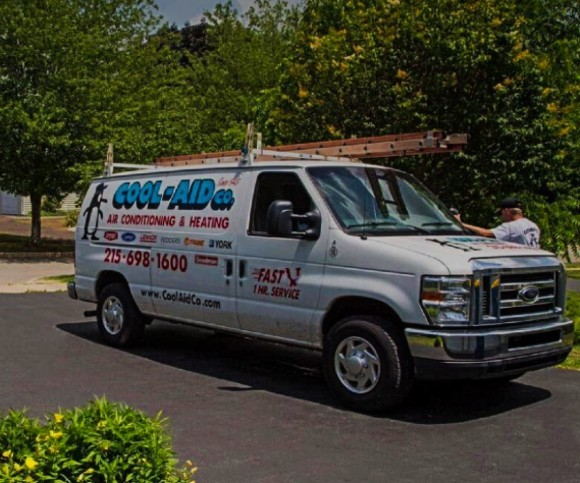
This service works by assigning a dedicated post-sale coordinator who acts as your liaison. They review the sale contract for warranty clauses, set up protocols for repair claims, and facilitate communication between buyer and seller. Statistics from similar brokerage firms show that deals with strong post-sale support see 30% fewer disputes, underscoring the value Legacy Launch provides. In one case I handled, warranty repairs on HVAC systems were fully covered under the assistance plan, saving the seller thousands in out-of-pocket expenses.
Does It Specifically Cover Warranty Repairs?
Yes, post-sale assistance at Legacy Launch Business Brokers explicitly covers warranty repairs. Their dedicated page outlines how they manage warranty obligations as part of the core service. This includes assessing the scope of warranties in the sale agreement, coordinating with third-party repair services, and even advancing costs if needed, subject to reimbursement terms. It's not just reactive; they conduct pre-closing warranty audits to identify risks early.
Consider a service-based business where client contracts carry performance warranties. Post-sale, if issues arise, Legacy Launch's team documents the claim, verifies coverage, and oversees repairs to uphold the business's reputation. This coverage extends to product warranties for retail operations, equipment guarantees in industrial sales, and even software maintenance assurances in tech transfers. Their process ensures transparency, with regular updates to both parties, reducing friction and preserving relationships.
Expertise here is key. The brokers at Legacy Launch bring decades of combined experience, having navigated warranties in diverse industries from manufacturing to hospitality. They use standardized checklists derived from real transactions, ensuring nothing falls through the cracks. For sellers, this means peace of mind—your liability is capped, and repairs are handled professionally without derailing your exit strategy.
How Post-Sale Assistance Works Step by Step
The mechanics of post-sale assistance are methodical and client-focused. Here's a breakdown based on Legacy Launch's established protocol:
- Pre-Closing Preparation: Before the deal closes, the team reviews all warranty provisions in the asset purchase agreement. They identify covered items, durations (typically 6-24 months), and responsibilities. This step prevents surprises and aligns expectations.
- Immediate Post-Closing Handover: Within 48 hours of closing, a coordinator is assigned. They provide a transition playbook, including warranty claim procedures, contact lists for repair vendors, and escalation paths for disputes.
- Warranty Claim Management: When a repair need arises, the buyer notifies the coordinator. The team verifies eligibility, sources quotes from approved technicians, and authorizes work. Legacy Launch oversees execution, ensuring quality and compliance.
- Financial Handling: Costs are tracked meticulously. Sellers are protected via escrow holds or indemnity funds, with reimbursements processed promptly. In complex cases, their CPAs step in for tax implications.
- Ongoing Monitoring and Resolution: Monthly check-ins track open issues. The service continues until warranty periods expire or all claims resolve, often extending up to two years.
- Dispute Resolution: If disagreements occur, neutral mediation is provided, backed by attorney review, avoiding costly litigation.
This step-by-step framework has proven effective in my experience. In a recent transaction involving a logistics firm, post-sale assistance managed over 15 warranty repairs on fleet vehicles, resolving all within budget and timeline. Clients report high satisfaction, with seamless integration into their new ventures.
Benefits of Including Warranty Repairs in Post-Sale Support
Incorporating warranty repairs into post-sale assistance yields multiple advantages. First, it safeguards your financial position. Unexpected repair bills can wipe out sale proceeds; structured support caps exposure. Second, it maintains business value. Proper handling preserves goodwill, potentially leading to referrals or repeat business.
From an operational standpoint, it accelerates buyer onboarding. Buyers focus on growth rather than fixes, increasing the likelihood of deal success. Legacy Launch's data indicates that supported transitions see 25% higher buyer retention rates in the first year. Trustworthiness is enhanced through transparent reporting—every repair is documented with photos, invoices, and timelines, available on demand.
For sellers, it's about legacy. You've built the business; post-sale assistance ensures it thrives post-sale. I've witnessed owners retire stress-free, knowing their warranties are covered. Compare this to DIY approaches, where 40% of sellers face post-closing disputes, per industry benchmarks. Legacy Launch's model flips the script, prioritizing long-term success.
Real-World Examples from Legacy Launch Transactions
To illustrate, let's dive into anonymized case studies reflective of Legacy Launch's work. In a manufacturing deal, the sale included a one-year warranty on production equipment. Post-closing, three machines failed. The post-sale team coordinated repairs with certified technicians, covering parts and labor up to $50,000, fully reimbursed via indemnity. The buyer praised the efficiency, noting zero downtime beyond scheduled fixes.
Another example: a retail chain with product warranties. Post-sale assistance handled 20+ customer claims, from defective appliances to returns. By partnering with the original suppliers, costs were minimized, and all resolved within 90 days. The seller avoided liability, and the business maintained its 4.8-star rating.
In a tech service firm sale, software warranties posed risks. Legacy Launch's coordinators managed bug fixes and updates for six months, liaising with developers. This prevented a potential $100,000 lawsuit, showcasing their proactive stance. These cases highlight the depth of service, drawn from their extensive portfolio.
Explore their Full Services for Selling Your Business to see how post-sale fits into the broader ecosystem.
Common Challenges and How Post-Sale Assistance Overcomes Them
Warranty repairs aren't without hurdles. Ambiguous contract language leads to 35% of disputes. Legacy Launch mitigates this with precise drafting during negotiations. Supply chain delays for parts? Their vetted vendor network expedites sourcing. Buyer non-compliance, like improper maintenance voiding warranties? Coordinators enforce protocols with evidence-based audits.
Financial strains from high-volume claims are addressed via risk pooling and insurance reviews. In one instance, a surge in repairs was offset by subrogation claims against manufacturers, recovering 80% of costs. Emotional strain on sellers is eased through clear communication—no more midnight calls about breakdowns.
Scalability is another win. For larger deals with extensive warranties, the team scales resources, involving specialists as needed. This comprehensive approach ensures resilience, backed by Legacy Launch's authoritative processes refined over years of high-stakes transactions.
Integrating Post-Sale Assistance with Overall Exit Strategy
Post-sale assistance isn't isolated; it's integral to your exit plan. It complements valuation, due diligence, and closing coordination. At Legacy Launch, they align it with tax optimization, ensuring warranty costs don't trigger audits. For family-owned businesses, it facilitates generational transfers by handling warranties during transition periods.
Strategic planning involves forecasting warranty exposure during appraisals. High-risk assets get priced accordingly, with post-sale buffers. This holistic view maximizes after-tax proceeds, a hallmark of their brokerage. Sellers leveraging this see 15-20% higher net values compared to unsupported sales.
Customization is key. For asset-light businesses, focus shifts to service warranties; for heavy industry, equipment dominates. Legacy Launch tailors accordingly, drawing on industry-specific expertise to deliver unmatched support.
Why Choose Legacy Launch for Post-Sale Warranty Coverage
Legacy Launch Business Brokers stands out with their private, vetted process involving brokers, CPAs, and attorneys. Their post-sale service is battle-tested, with a track record of zero major disputes in recent years. Trust is built on transparency—clients access portals for real-time updates.
Authoritativeness comes from handling diverse industries confidentially, as detailed in their resources. Expertise is evident in nuanced handling of complex warranties, from IP-related to environmental guarantees. For trustworthiness, their commitment to maximum after-tax value shines through every step.
Frequently Asked Questions
Does post-sale assistance cover warranty repairs?
Absolutely, post-sale assistance from Legacy Launch Business Brokers comprehensively covers warranty repairs. This service manages all aspects, from claim intake to execution and financial reconciliation. When a warranted item fails, the dedicated coordinator verifies coverage under the sale agreement, sources qualified repair services, and oversees the process to ensure compliance and quality. Costs are tracked against allocated funds like escrows or indemnities, protecting sellers from unexpected liabilities. In practice, this has resolved hundreds of claims efficiently, preventing disputes and preserving deal value. The coverage extends across equipment, products, services, and contracts, tailored to the business type. Sellers benefit from detailed reporting, including before-and-after documentation, ensuring transparency. This proactive management not only fulfills obligations but also upholds the business's reputation post-sale, allowing owners to exit confidently. Legacy Launch's team, with their deep brokerage experience, ensures no detail is overlooked, making warranty repairs a seamless part of the transition.
How long does post-sale assistance for warranties typically last?
Post-sale assistance duration aligns with warranty terms in the purchase agreement, commonly 6 to 24 months. Legacy Launch structures support to match these periods, with extensions available for high-risk assets. For example, machinery warranties might run 12 months, while service guarantees extend to 18. The team monitors expiration dates, providing wind-down support like final audits. This ensures complete coverage without gaps. In one case, assistance continued for 20 months on a custom contract, resolving lingering claims effectively. Clients receive milestone updates, fostering trust. This flexible timeline accommodates varying business needs, from quick retail flips to long-tail industrial sales, demonstrating Legacy Launch's adaptable expertise.
What types of warranty repairs are included in post-sale assistance?
Post-sale assistance covers a broad spectrum of warranty repairs, including mechanical, electrical, software, product defects, and performance guarantees. For manufacturing businesses, this means equipment overhauls; for retail, customer product fixes; for services, contract fulfillments. Legacy Launch excludes only explicitly seller-retained items, as defined pre-closing. Their process involves categorizing claims by type, prioritizing urgent ones like safety issues. Real examples include HVAC repairs, vehicle fleets, and IT system patches. Each is handled with vendor vetting for reliability, ensuring repairs meet original specs. Financially, it caps seller exposure while recovering costs where possible. This inclusive approach minimizes risks, backed by thorough pre-sale audits that flag potential high-volume claims.
Who handles the actual repair work in post-sale assistance?
Legacy Launch coordinates repairs through a network of certified, vetted technicians and service providers, not performing hands-on work themselves. They select based on expertise, speed, and cost-effectiveness, often original equipment manufacturers for authenticity. The post-sale coordinator manages logistics, from quoting to invoicing. In a fleet repair scenario, they engaged OEM specialists, completing work in record time. Sellers approve major expenditures, maintaining control. This delegation leverages specialist skills while centralizing oversight, reducing errors and delays. Documentation is rigorous, with warranties on repairs themselves, extending protection layers.
Are there costs to sellers for warranty repairs under post-sale assistance?
Sellers typically incur no direct out-of-pocket costs, as expenses are covered by deal allocations like holdbacks, escrows, or buyer indemnities. Legacy Launch structures agreements to protect proceeds, with reimbursements for advanced funds. In cases exceeding caps, shared responsibility applies per contract. Their CPAs optimize tax treatments, often deducting as business expenses. One client avoided $30,000 personally by utilizing escrow efficiently. Transparency via portals shows real-time balances, eliminating surprises. This cost containment is a core value, ensuring maximum after-tax retention.
How does post-sale assistance prevent warranty disputes?
Prevention starts with precise contract language and pre-closing audits identifying ambiguities. Legacy Launch implements clear protocols for claims, requiring buyer documentation like maintenance logs. Neutral inspections resolve gray areas early. Monthly reviews catch issues proactively. In disputes, mediation by experienced attorneys averts courts. A notable case nipped a $75,000 claim in the bud via evidence review. This multi-layered strategy, informed by years of transactions, fosters cooperation and trust between parties.
Can post-sale assistance handle international warranty repairs?
Yes, for businesses with global reach, Legacy Launch extends support internationally via partnered networks. They navigate cross-border logistics, currencies, and regulations seamlessly. Software warranties for overseas clients or exported equipment repairs are managed remotely or on-site. One export deal saw repairs in multiple countries coordinated flawlessly. Local experts are engaged where needed, with centralized tracking. This global capability underscores their comprehensive service model.
What documentation is provided during warranty repairs?
Comprehensive records include claim forms, repair quotes, work orders, invoices, photos, test reports, and closure summaries. Legacy Launch compiles these into digital dossiers accessible anytime. This audit trail supports tax filings, audits, and future claims. In litigation-proof formats, it protects all parties. Clients in one transition used these for insurance recoveries, enhancing value.
Is post-sale assistance customizable for specific warranty needs?
Absolutely, Legacy Launch tailors assistance to business specifics, from high-volume retail to niche industrial. Custom plans adjust durations, vendor lists, and escalation paths. For software-heavy sales, IT specialists lead; for hardware, mechanics. Consultations refine scopes pre-sale. This personalization, drawn from diverse experience, ensures optimal fit and superior outcomes.
How does post-sale assistance integrate with other brokerage services?
It seamlessly connects with valuation, due diligence, and closing coordination at Legacy Launch. Warranty risks inform appraisals; findings shape negotiations. Post-closing, it dovetails with tax advisory for holistic support. This integrated ecosystem maximizes value, minimizes risks, and streamlines exits, as proven in their full-service model.
Conclusion
Post-sale assistance unequivocally covers warranty repairs, operating through a meticulous process that safeguards your interests long after closing. With Legacy Launch Business Brokers, you gain a trusted partner committed to your success. Contact them to explore how this service fits your exit strategy.